

Wedding Dress Code Decoded: What Should Men Wear to Indian Weddings?

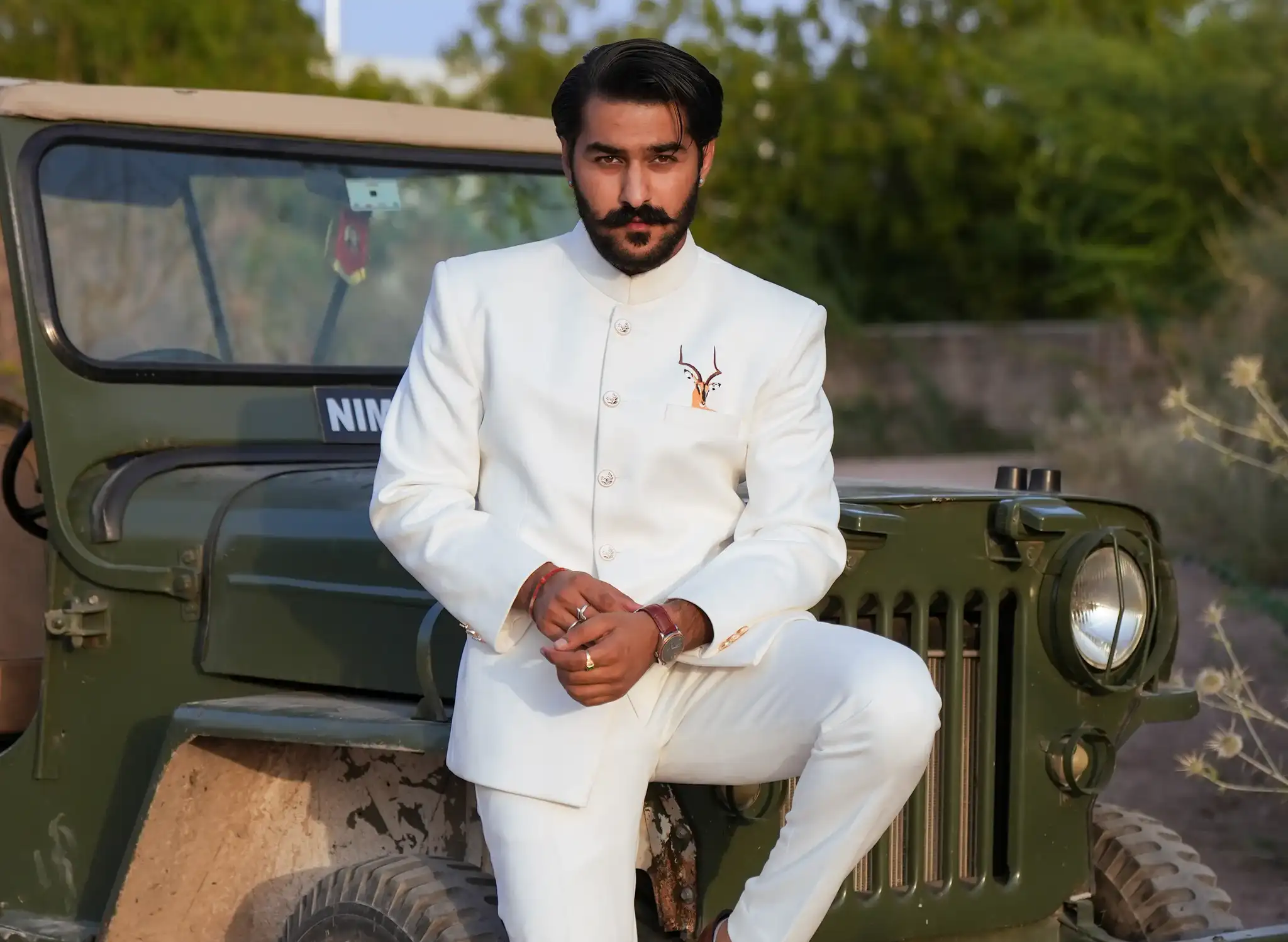
No more guesswork. Just good style.
Got an Indian Wedding Invite? Here’s How Not to Look Confused
If you’ve ever stood in front of your wardrobe holding a kurta and a blazer, wondering which one to wear to a Sangeet, you’re not alone. Indian weddings are grand, colorful, and beautifully diverse — but when it comes to the dress code, most men are left thinking:
“Is this too plain? Too flashy? Am I overdressed? Underdressed?”
Whether you’re a guest, the groom’s brother, or the father of the bride — we’re here to decode it all for you. This blog is your easy, no-fluff guide to understanding exactly what to wear at every Indian wedding function.
And yes, you’ll look sharp in the pictures too.
Why Indian Weddings Need a Dress Code Guide
From Mehendi to Reception, every Indian wedding function has a different vibe — and outfit expectations to match.
- Haldi & Mehendi: Fun, colorful, and a little messy
- Sangeet or Cocktail: Semi-formal, dance-ready
- Wedding Ceremony: Traditional and culturally significant
- Reception: More polished, sometimes Western
And because no two Indian weddings are the same — what works in Delhi might be too flashy for Chennai, and what’s perfect for Mumbai may feel underwhelming in Jaipur — understanding the general vibe (and your role) is key.
Dress Code Mistakes Indian Men Still Make (Let’s Fix That)
- Wearing jeans or sneakers to Mehendi functions — this isn’t a college fest
- Black sherwanis for day weddings — looks sharp, but culturally off in many traditions
- Oversized kurtas that hide your frame — tailor it right, or don’t wear it
- Wearing the same outfit to every function — no, that navy kurta doesn’t work for all five days
Let’s move past the basic. You don’t need designer-level styling — just good fit, fabric, and function awareness.
What to Wear Based on Your Role at the Wedding
Here’s where most men go wrong — dressing the same whether they’re a guest or part of the family.
et’s break it down.
If You’re a Guest
Dress Code: Polished, respectful, not overdone
- Cotton or silk-blend kurta-pajama in neutral or jewel tones
- Nehru jacket in a contrast color adds sharpness
- For evening functions: a plain Bandhgala jacket over slim pants
- Stick to simpler designs — it’s not your day
Safe Colors: Ivory, deep blue, sage green, beige
Footwear: Leather juttis, mojaris, or classic slip-ons
If You’re the Groom’s Brother (or Close Cousin)
Dress Code: Fashion-forward, visible, coordinated (but not loud)
You’ll be in the front row — on stage, in pictures, and on the dance floor.
- Achkan in pastel or earthy tones with hand embroidery
- Try layered Indo-western sets — kurta + short jacket, or dhoti pants with a textured top
- Go for modern cuts and asymmetrical silhouettes
- A bold pocket square, brooch, or lapel pin can level up your look
Color Tip: Coordinate with the groom without copying his outfit.
If You’re the Father of the Groom or Bride
Dress Code: Understated elegance rooted in tradition
This look is all about poise, not pizzazz. Go for comfort without compromising class.
- Raw silk Achkan or Bandhgala suit in deep maroon, olive, or cream
- Avoid shimmer; instead, choose textured fabrics
- Wear a soft stole or shawl for seniority and charm
- Add a family heirloom or brooch if available — it adds sentiment
Footwear Tip: Stick with traditional leather juttis or Kolhapuris.
Destination Wedding? Here’s What Changes
Rajasthan. Kerala. Goa. Himachal. Each destination comes with its own setting — and temperature.
- Opt for cotton-silk or linen blends
- Choose pastel tones like powder blue, peach, or mint green for daytime
- Avoid heavy layering unless it’s an evening event
- Light Bandhgalas and breezy jackets photograph beautifully in natural light
Packing Tip: Roll your kurtas to save space and avoid creases!
Always-Safe Outfit Combos for Indian Weddings
Not sure what’s expected? These combos always work:
- Ivory kurta + printed Nehru jacket (perfect for Haldi/Mehendi)
- Navy Bandhgala + white pants + mojaris (great for Sangeet or Reception)
- Textured Achkan in beige + pastel stole (ideal for ceremonies)
- Kurta-pajama in deep green + short embroidered jacket (a versatile guest look)
Remember: It’s not about bling. It’s about balance.
Conclusion
The Deepee’s Edit: Tailored for You, Styled for the Moment
Weddings in India aren’t just a celebration — they’re a performance. You don’t need a designer outfit with a five-digit price tag, but you do need something that fits your body, your function, and your moment.
That’s where we come in.
At Deepee’s Jodhpur, we’ve dressed:
- Hundreds of grooms, brothers, and fathers
- For temple weddings, palace ceremonies, farmhouse receptions, and cocktail parties
- With custom-tailored looks made from Raymond’s premium fabrics
So whether you’re confused about what to wear, or want to stand out without being too much — we’ll style you right.
Visit deepeesjodhpur.com or walk into our Jodhpur store today.
Wedding Dress Code Decoded – Frequently Asked Questions
A simple kurta-pajama with a Nehru jacket or Bandhgala works best. Choose light colors for the day and deeper tones for the evening.
Yes, especially for the reception or cocktail night. Make sure it’s formal, fitted, and preferably in dark colors like navy, charcoal, or black.
Men usually wear yellow or white cotton kurtas for Haldi and colorful printed kurtas with light jackets for Mehendi.
In many North Indian communities, black is avoided for the main wedding ceremony. It’s more acceptable at reception or Sangeet events.
An embroidered Achkan, pastel Bandhgala, or Indo-western jacket set works well. Add a statement accessory or stole for distinction.
Ivory, beige, jade, maroon, charcoal, and deep green are timeless. Pastels are trendy for day events.